
Blog
PVC Tarpaulin Weight Guide Choosing the Right GSM for Every Application

PVC Tarpaulin Weight Guide: Choosing the Right GSM for Every Application
Definition
PVC tarpaulin GSM (Grams per Square Meter) is the standard unit of measurement used to determine the physical weight, density, and thickness of polyvinyl chloride (PVC) coated polyester fabrics. It measures the total mass of the structural base fabric and the protective PVC coating. Understanding GSM is critical for engineers and procurement specialists looking to ensure that the selected industrial textile meets the specific mechanical, environmental, and structural requirements of an application.
Quick Response
What is it? PVC tarpaulin GSM represents the total fabric weight per square meter, reflecting the density of the polyester base fabric and the thickness of the PVC coating.
Why is it important? It directly affects the material’s tensile strength, tear resistance, flexibility, and service life. A heavier PVC membrane offers better durability while providing less flexibility.
Which option is recommended?
580–680 GSM: Ideal for flexible transport covers, truck tarpaulin fabric, and light industrial curtains.
730–950 GSM: Recommended for heavy-duty truck curtains, temporary structures, tent and pergola and industrial coated fabric applications.
1050–1600+ GSM: Designed for permanent tensile architecture and heavy-duty waterproof fabric applications requiring extreme structural integrity.
Executive Summary Comparison Table
GSM Range | Flexibility | Tensile Strength | Typical Application | Expected Service Life |
|---|---|---|---|---|
580 – 680 GSM | Very High | Medium | Truck covers, standard tarpaulins, pool covers | 2 – 5 Years |
730 – 950 GSM | Medium | High | Truck curtains, warehouses, industrial doors | 3 – 5 Years |
1050 – 1600 GSM | Low | Extremely High | Tensile architecture, hangars, biogas domes | 7 – 15+ Years |
Decision Guide: How to Choose the Right GSM
Do you need maximum flexibility for daily manual handling?
↓
Choose 580–650 GSM
Do you need standard trucking and logistics covers?
↓
Choose 680–900 GSM
Do you need highly durable industrial curtains or semi-permanent warehouses?
↓
Choose 900–1050 GSM
Do you need permanent tensile architecture or resistance to extreme weather conditions?
↓
Choose 1050–1600 GSM
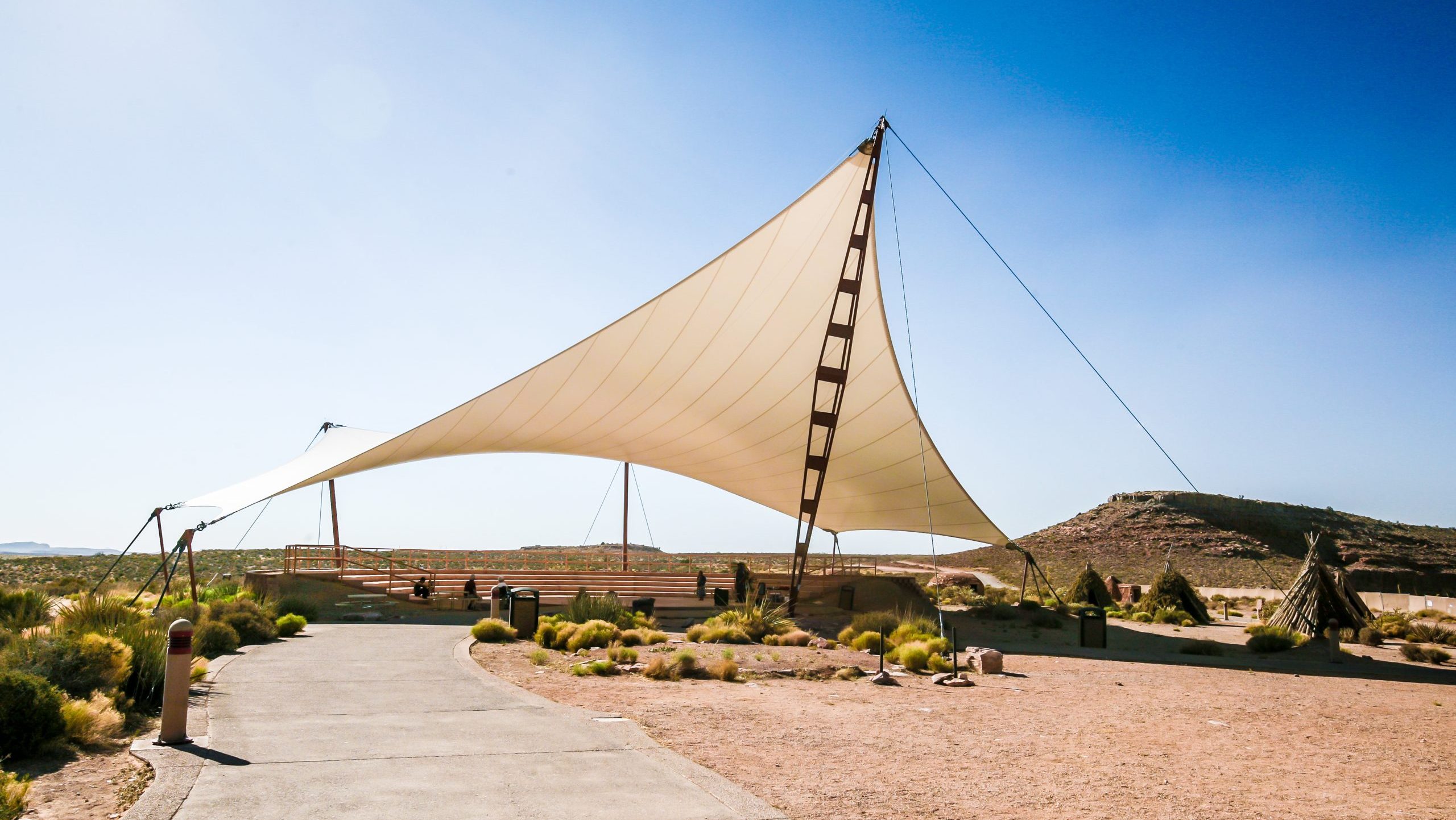
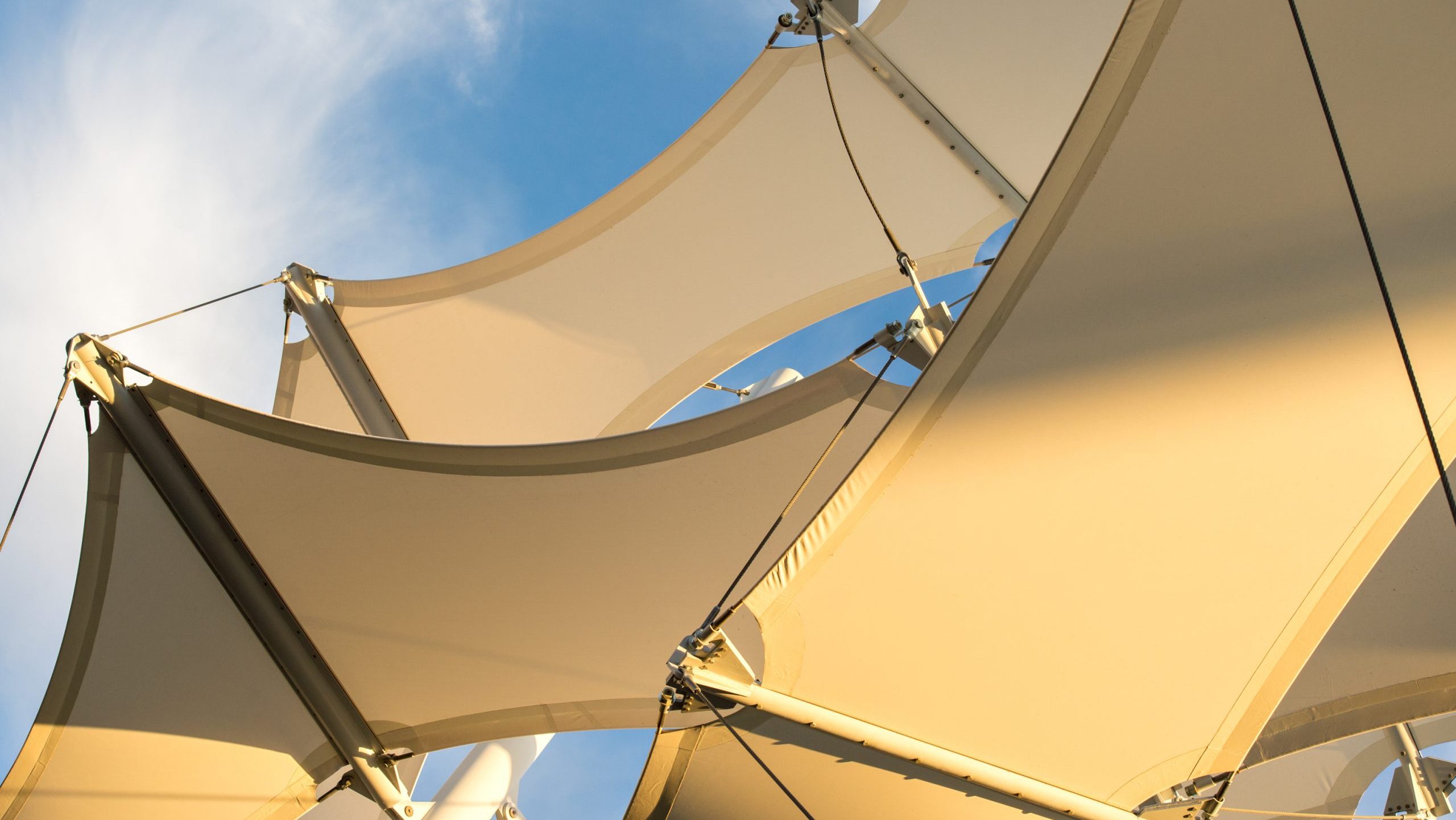
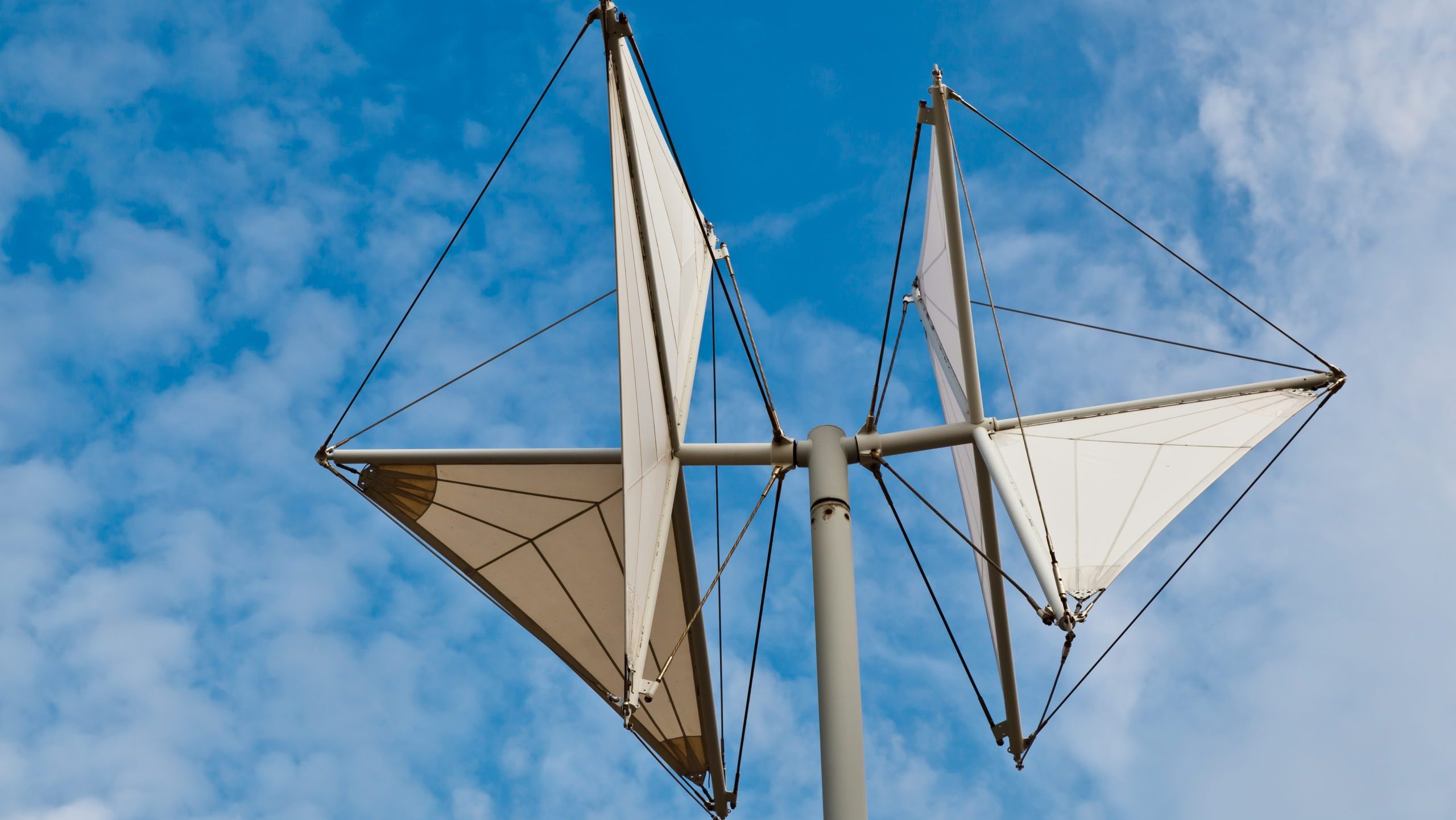
Tensile Architecture
User Summary
For engineers, procurement specialists, and industrial buyers needing quick technical specifications:
Lightweight (580–680 GSM): Designed for applications requiring high flexibility and frequent handling, such as standard truck covers, pool covers, and light industrial curtains.
Medium Weight (730–950 GSM): Designed for heavy-duty truck curtains, standard tensile architecture, pergola systems, and temporary structures. It balances structural strength with manageable weight.
Heavy Duty (1050–1600 GSM): Specifically designed for permanent tensile structures, large-scale hangars, industrial manufacturing, and high-tension pneumatic systems. It prioritizes maximum tensile strength, tear resistance, and harsh weather durability.
Beyond GSM: Choosing the right material must include flame retardant behavior (e.g., B1, M2), UV stabilization, anti-static properties, and surface lacquering (acrylic or PVDF) depending on application requirements.
At a Glance: PVC tarpaulin selection requires balancing flexibility and strength. Lightweight fabrics are suitable for manual handling, medium weights are used in transport logistics, and heavy fabrics serve structural architecture. Always look beyond GSM to specific chemical coatings and fire ratings to ensure compliance and longevity.
What Does GSM Stand For?
What is PVC Tarpaulin GSM?
PVC tarpaulin GSM stands for Grams per Square Meter. It is the precise unit of measurement used in the technical textile industry to measure the mass and physical density of a fabric. It accounts for both the inner polyester scrim and the outer polyvinyl chloride layers.
Fabric Density: GSM reflects the total weight of the base polyester fabric (PES) and the liquid PVC coating applied to both sides. A higher GSM generally indicates a denser base fabric, a thicker coating, or both.
Strength: While the base yarn (measured in Denier or Dtex) determines the fundamental tear and tensile strength, a higher GSM is typically associated with higher mechanical strength due to the increased protective PVC volume.
Flexibility: Lower GSM fabrics are inherently more flexible and easier to fold, making them suitable for applications involving continuous mechanical movement.
Durability: The amount of PVC coating directly affects the fabric’s resistance to abrasion, chemical exposure, and weathering. Consequently, higher GSM materials generally offer extended durability in static, long-term installations.
At a Glance: GSM (Grams per Square Meter) measures the total mass of the PVC-coated technical textile. It represents the combined weight of the structural polyester weave and the weather-resistant PVC coating, serving as the primary indicator of the fabric’s thickness, strength, and flexibility.
Why is GSM Important?
Understanding how GSM affects the physical behavior of PVC-coated polyester is crucial for correct material selection.
Tensile Strength: Heavier fabrics typically utilize thicker polyester yarns (e.g., 1000D instead of 500D) woven in denser configurations (e.g., 12×12 instead of 9×9 per square cm). This structural density significantly enhances the fabric’s ability to withstand stretching under tension.
Tear Resistance: When a puncture occurs, the density and weave of the base fabric, combined with the thickness of the PVC coating, determine how easily the tear will propagate. High GSM fabrics offer superior resistance to tear progression.
Flexibility: As GSM increases, the PVC fabric thickness increases, and the material becomes stiffer. While this reduced flexibility is advantageous for rigid tensile structures, it is a disadvantage for applications requiring daily folding, such as transport covers.
Service Life: Thicker coatings directly extend the service life of the technical textile by providing a larger sacrificial layer against UV degradation, abrasion, and environmental pollutants.
Maintenance Cost: Selecting the appropriate GSM reduces the frequency of repairs caused by premature wear, wind whip, or abrasive damage, thereby lowering routine maintenance expenses.
Total Cost of Ownership (TCO): Determining the correct weight minimizes replacement cycles and operational downtime, providing a highly favorable TCO for industrial buyers.
At a Glance: Fabric weight determines mechanical performance. Heavier GSMs increase tensile strength, tear resistance, and overall service life by providing thicker protective barriers, but reduce flexibility. Correctly matching the GSM to the application optimizes the Total Cost of Ownership (TCO).
Comprehensive PVC Tarpaulin Weight Guide
The following technical guide outlines typical applications, advantages, and engineering parameters for standard PVC tarpaulin weights.
580 GSM
Typical Applications: Standard truck covers, lightweight equipment covers, general protective tarpaulins.
Advantages: Extremely flexible, easy to manually deploy and fold, cost-effective for general use.
Expected Durability: 2 to 4 years in temperate climates.
Suitable Industries: Transportation, logistics, general agriculture.
Recommended Environments: Light to moderate weather conditions; indoor storage protection.
Key Technical Benefits: Low weight reduces operational fatigue for drivers and operators; suitable for rapid installation.
600 GSM
Typical Applications: Agricultural covers, light industrial curtains, standard equipment protection.
Advantages: Offers slightly better abrasion resistance than 580 GSM while maintaining high flexibility.
Expected Durability: 2 to 5 years depending on UV exposure.
Suitable Industries: Agriculture, manufacturing, domestic transport.
Recommended Environments: Moderate environmental exposure.
Key Technical Benefits: Provides a highly efficient balance between cost, weight, and basic weather protection.
630 GSM
Typical Applications: Small-scale commercial tents, boat covers, custom transport covers.
Advantages: Enhanced tear strength suitable for applications exposed to light wind loads.
Expected Durability: 2 to 5 years.
Suitable Industries: Marine, event and hospitality, specialized logistics.
Recommended Environments: Coastal areas (with appropriate salt-resistance treatments), urban logistics.
Key Technical Benefits: Provides a reliable foundation for custom fabrication and welding (bonding) processes.
650 GSM
Typical Applications: High-quality truck covers, medium-duty industrial curtains, temporary storage shelters.
Advantages: Widely used as the industry standard for general-purpose, heavy-duty applications.
Expected Durability: 2 to 5 years.
Suitable Industries: Transportation, warehousing, construction.
Recommended Environments: Variable outdoor climates with moderate UV indexes.
Key Technical Benefits: Outstanding weldability and a robust surface for long-lasting mechanical joints.
670 GSM
Typical Applications: Custom truck side curtains, robust agricultural silos, biogas membranes (inner layer).
Advantages: Specifically designed to handle repeated mechanical stress and continuous tension.
Expected Durability: 2 to 5 years.
Suitable Industries: Renewable energy, heavy logistics, agriculture.
Recommended Environments: Industrial environments with high utilization rates.
Key Technical Benefits: High dimensional stability under load.
680 GSM
Typical Applications: Premium truck covers, standard side curtains, pergola systems.
Advantages: Widely preferred in the European transport sector due to its optimum strength-to-weight ratio.
Expected Durability: 2 to 5 years.
Suitable Industries: International logistics, architectural shading.
Recommended Environments: Four-season climates with demanding operational cycles.
Key Technical Benefits: Excellent substrate for digital printing and protective acrylic lacquering.
730 GSM
Typical Applications: Heavy-duty side curtains, printable truck curtains, medium tensile structures.
Advantages: Provides a denser base fabric to resist wind whipping associated with high-speed transport.
Expected Durability: 2 to 5 years.
Suitable Industries: Transportation, advertising, event structures.
Recommended Environments: Highway transport, high-wind areas.
Key Technical Benefits: Superior tear resistance and an extremely smooth surface for aesthetic applications.
750 GSM
Typical Applications: Large commercial tents, semi-permanent storage facilities, industrial doors.
Advantages: High structural integrity suitable for structures exposed to continuous snow and wind loads.
Expected Durability: 3 to 5 years.
Suitable Industries: Warehousing, event management, industrial construction.
Recommended Environments: Harsh outdoor environments requiring long-term exposure.
Key Technical Benefits: High resistance to elongation and environmental stress cracking.
870 GSM
Typical Applications: Blackout materials for pergola systems, robust event tents, Type I tensile architecture.
Advantages: Contains an internal black layer (blockout) to completely restrict light transmission and reduce heat gain.
Expected Durability: 3 to 5 years.
Suitable Industries: Architectural shading, high-end hospitality, permanent events.
Recommended Environments: High UV index regions; climates requiring intense sun protection.
Key Technical Benefits: 100% opacity, thermal insulation, and exceptional UV defense.
900 GSM
Typical Applications: Heavy-duty transport covers for trains, specialized roll-up industrial doors, heavy truck curtains.
Advantages: Engineered for extreme industrial abrasion and demanding mechanical environments.
Expected Durability: 3 to 5 years.
Suitable Industries: Railway logistics, heavy manufacturing, industrial automation.
Recommended Environments: Environments with high particulate matter or severe abrasive conditions.
Key Technical Benefits: Extremely high tear strength and puncture resistance.
950 GSM
Typical Applications: Large industrial curtains, specialized hangars, heavy agricultural membranes.
Advantages: Combines extreme durability with sufficient pliability for mechanical retraction systems.
Expected Durability: 3 to 5 years.
Suitable Industries: Aviation storage, heavy agriculture, bulk material handling.
Recommended Environments: Demanding industrial zones.
Key Technical Benefits: Exceptional resistance to chemical exposure and mechanical fatigue.
1050 GSM
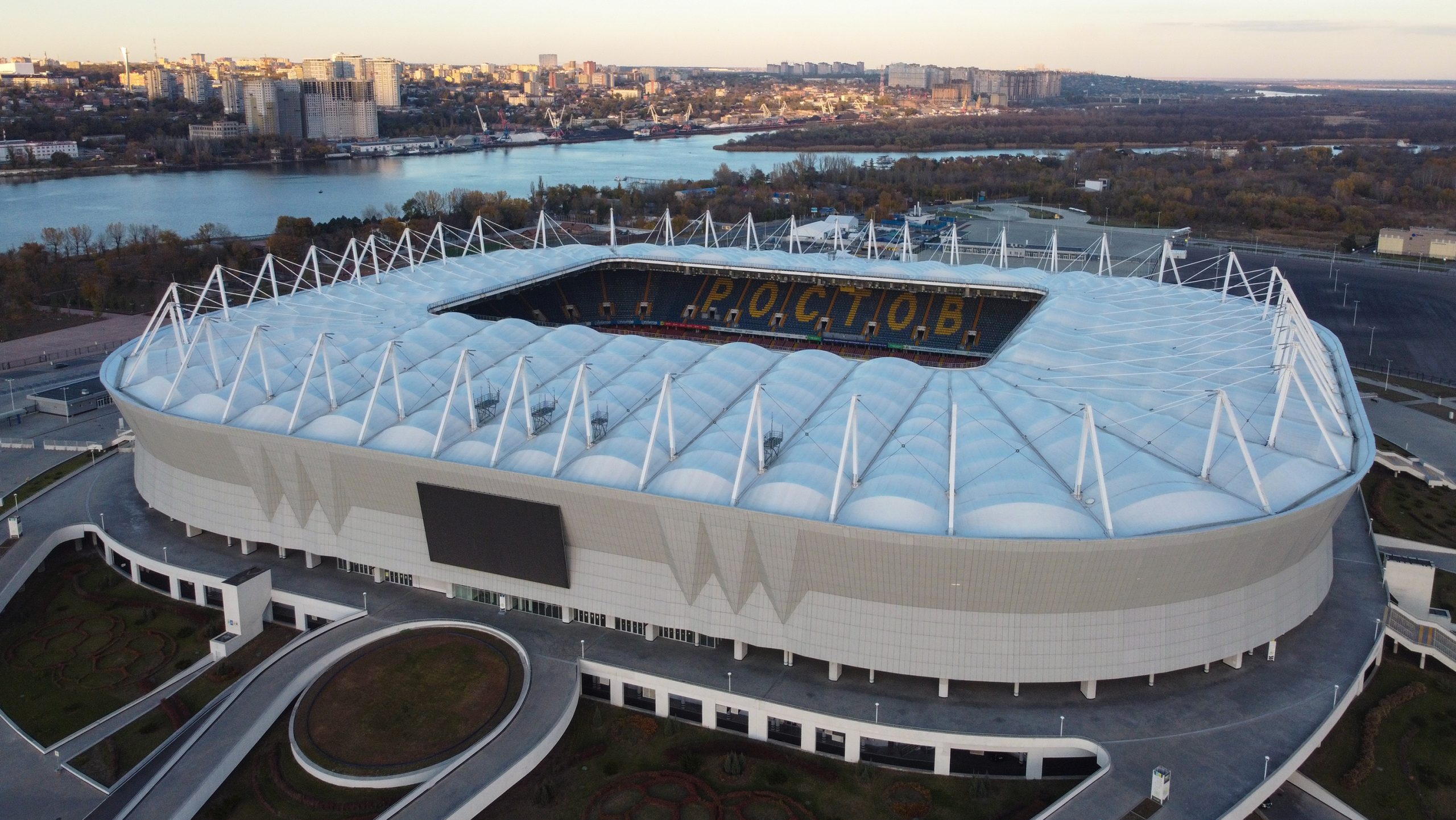
Typical Applications: Type II Tensile Architecture, wide-span permanent structures, sports facility roofs.
Advantages: Designed for long-term tensioned structures, providing immense structural load-bearing capacity.
Expected Durability: 5 to 10 years.
Suitable Industries: Architecture, civil engineering, municipal sports facilities.
Recommended Environments: Severe wind, heavy snowfall, and high UV zones.
Key Technical Benefits: Very low elongation under high pre-tension, ensuring architectural forms remain taut.
1150 GSM
Typical Applications: Type III Tensile Architecture, biogas storage domes, large industrial hangars.
Advantages: High-performance industrial grade material with superior gas-tightness and weather resistance.
Expected Durability: 5 to 10 years.
Suitable Industries: Renewable energy (biogas), large-scale civil works, aviation storage.
Recommended Environments: Extreme climates, aggressive chemical environments (when combined with special coatings).
Key Technical Benefits: Exceptional dimensional stability and base fabric strength.
1300 GSM
Typical Applications: Advanced Type III Tensile Architecture, large pneumatic (inflatable) structures.
Advantages: Capable of spanning massive distances without intermediate support columns.
Expected Durability: 7 to 10+ years.
Suitable Industries: Stadium construction, architectural mega-structures.
Recommended Environments: Areas subject to typhoons, hurricanes, or massive snow loads.
Key Technical Benefits: Ultimate tensile strength engineered for structural safety.
1350 GSM
Typical Applications: Type IV Tensile Architecture, specialized mega-tents, heavy water storage.
Advantages: Provides a massive protective PVC barrier over an extremely dense base fabric weave.
Expected Durability: 7 to 10+ years.
Suitable Industries: Water management, civil architecture.
Recommended Environments: Permanent outdoor installations in hostile weather conditions.
Key Technical Benefits: Long-term preservation of mechanical integrity under continuous hydrostatic or aerodynamic pressure.
1600 GSM
Typical Applications: Type IV and Type V Tensile Architecture, massive stadium roofs, ultimate heavy-duty industrial barriers.
Advantages: The top tier of standard PVC membrane manufacturing, designed for decades of architectural installation.
Expected Durability: 7 to 15+ years (with PVDF lacquering).
Suitable Industries: Global civil infrastructure, high-end tensile architecture.
Recommended Environments: Global-scale demanding climatic conditions.
Key Technical Benefits: Acts as a permanent construction material rather than a temporary fabric, capable of carrying immense structural loads.
At a Glance: GSM selection ranges from highly flexible 580 GSM materials for standard covers to 900 GSM industrial textiles for heavy wear, up to 1600 GSM architectural membranes designed for decades of permanent installation.
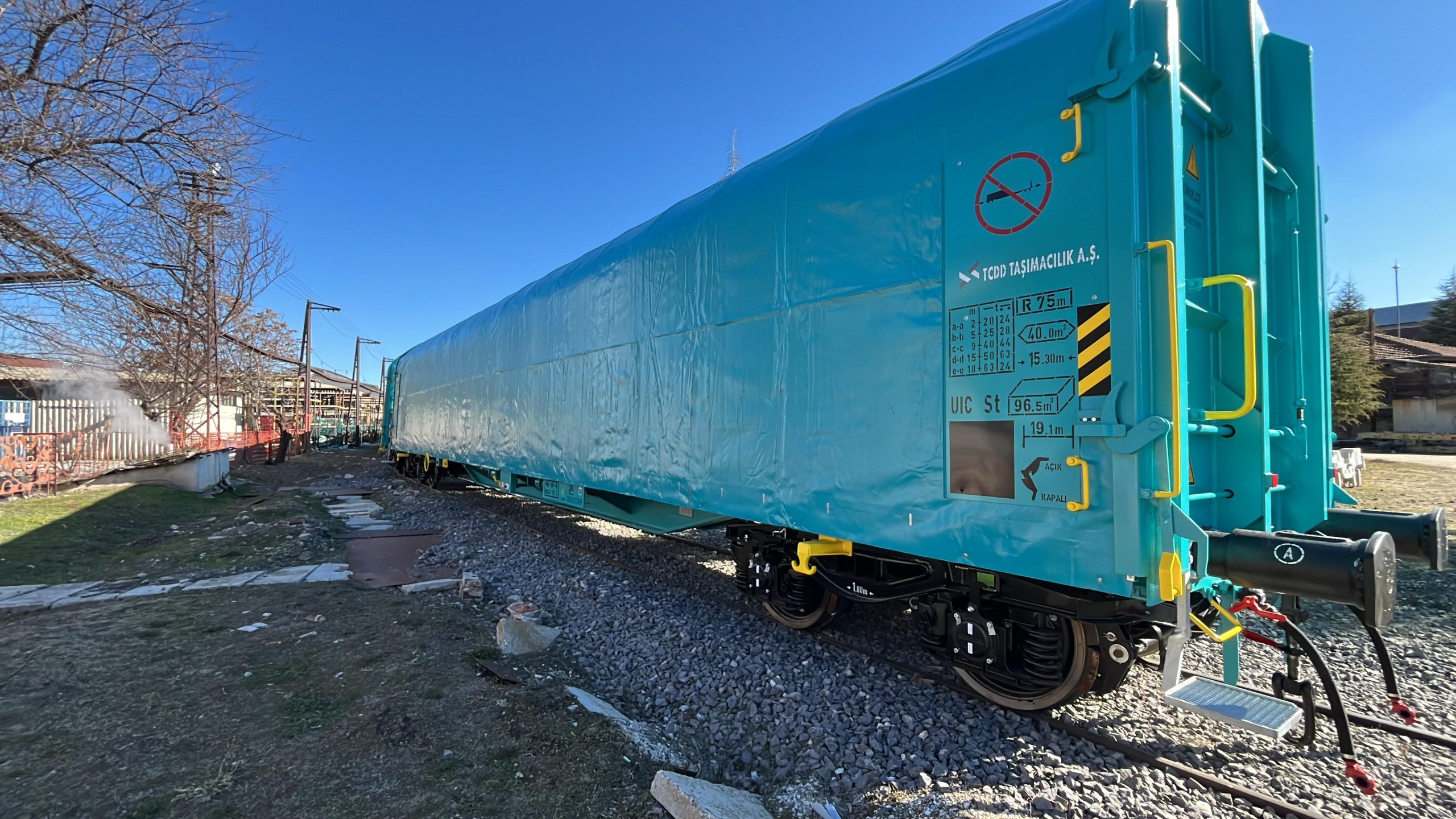
Choosing the Right Fabric by Industry
Selecting the appropriate technical textile requires matching the fabric’s engineering parameters with the industry’s specific operational stresses.
What is the Best GSM for Truck Covers?
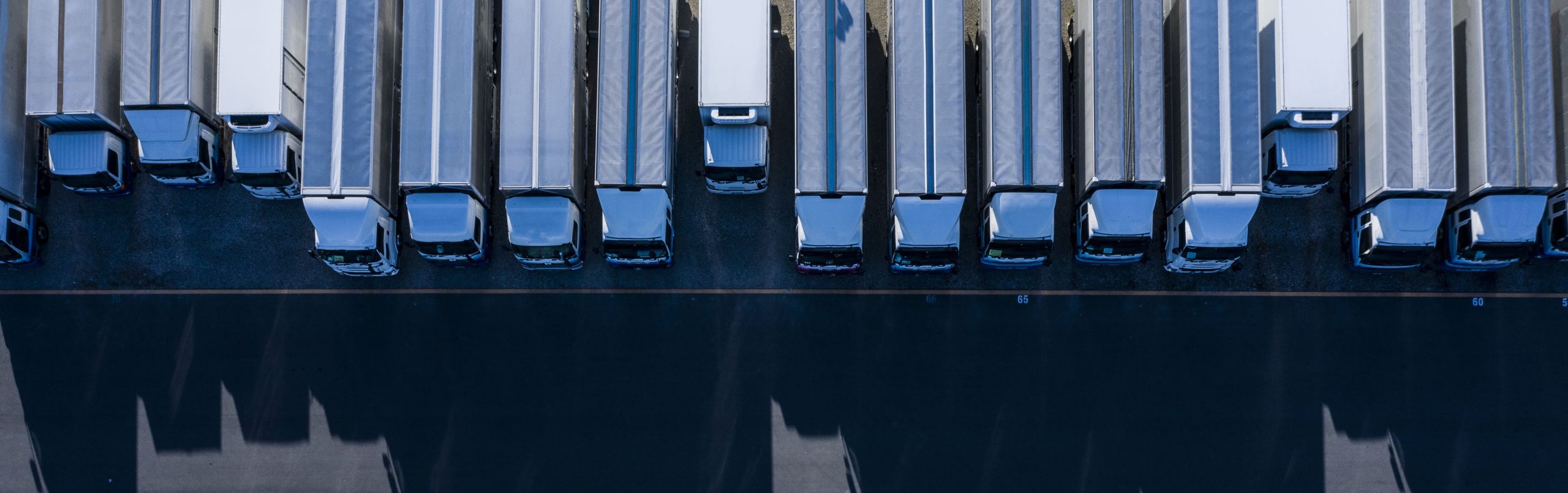
For standard flatbed truck covers, 650 GSM to 680 GSM is widely used as it perfectly balances waterproofing durability with manual folding flexibility. For heavy-duty sliding side curtains, heavier 730 GSM to 900 GSM fabrics are engineered to withstand highway wind whip and continuous mechanical retraction.
Truck Curtains
Commonly used materials range from 680 GSM to 900 GSM. The fabric must have high tear resistance to withstand highway wind whipping, excellent flexibility for daily mechanical operations, and a smooth surface to accept digital printing and protective clear lacquers.
Truck Covers
Standard flatbed covers typically use 650 GSM to 680 GSM. These weights provide a balance of waterproofing, abrasion resistance against cargo, and manageable weight for drivers to manually secure the load.
Train Covers
Rail transport introduces extreme aerodynamic shear forces. Consequently, 900 GSM to 1050 GSM fabrics are generally preferred. These materials use high-strength yarns to prevent tearing under high-speed friction and intense vibration.
Open Top Containers
Open-top shipping containers require robust, highly UV-resistant covers to protect international cargo. 680 GSM to 750 GSM materials, often treated with special anti-fungal and salt-resistant additives, are designed for these marine and rail journeys.
Industrial Curtains
Used to partition warehouses or control climate zones, industrial curtains range from 600 GSM to 900 GSM. Depending on the environment, these fabrics may need anti-static properties to prevent dust accumulation or specialized cold-crack resistance for refrigerated areas.
Warehouses
Semi-permanent and temporary warehouse structures require fabrics between 750 GSM and 950 GSM. The material must offer long-term UV resistance, structural stability to shed rain and snow, and strict adherence to fire safety regulations.
Temporary Structures
For disaster relief, military operations, or temporary commercial spaces, 650 GSM to 850 GSM fabrics provide the necessary durability while remaining light enough to allow rapid structural installation and dismantling.
Hangars
Aircraft and large machinery hangars use 950 GSM to 1150 GSM materials. These structures have large unsupported spans and require fabrics with high tensile strength to maintain tension and resist immense wind uplift forces.
Tensile Architecture
Tensile structures rely entirely on fabric tension for structural support. Depending on the scale, membranes from Type I to Type V (ranging from 750 GSM to 1600 GSM) are specified. These fabrics prioritize minimal elongation, PVDF lacquering for self-cleaning, and extreme longevity.
Pergola Systems
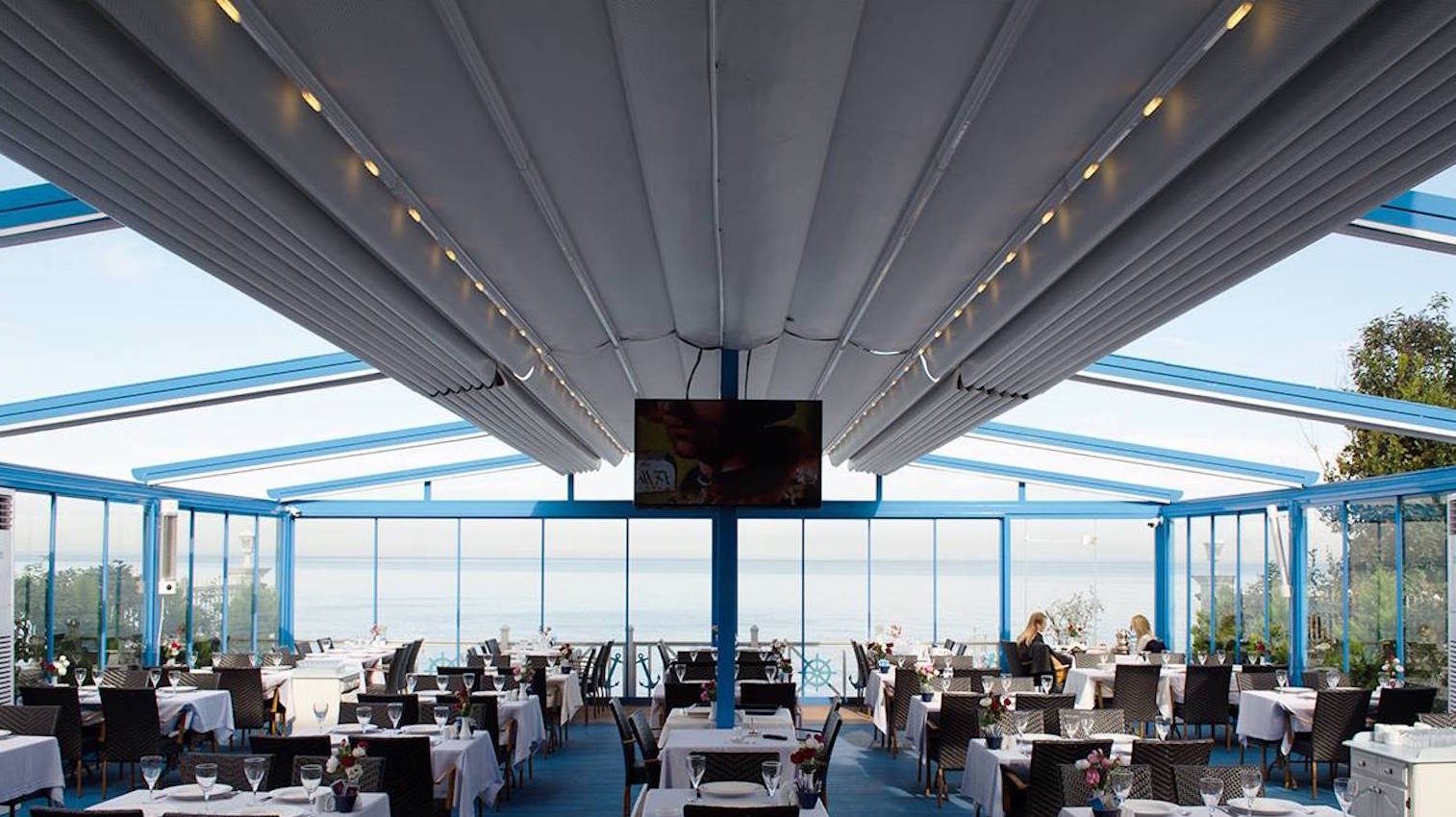
Motorized pergola shading systems rely heavily on 750 GSM to 870 GSM blackout materials. The internal black membrane blocks light transmission, while the outer layers are heavily stabilized against UV radiation to prevent thermal degradation and discoloration.
Pool Covers
Winter safety pool covers utilize 580 GSM to 650 GSM fabrics. The material must be treated for resistance to chlorine, bromine, and constant moisture, while remaining lightweight enough for automatic or manual rewinding.
Sports Facilities
Tennis courts, swimming pool enclosures, and indoor soccer fields use 750 GSM to 1050 GSM translucent materials. These textiles allow natural light penetration (reducing lighting costs) while providing a robust weather barrier.
Advertising Structures
Inflatable billboards, banners, and building wraps use 500 GSM to 750 GSM fabrics. A smooth, highly receptive surface for UV-cured, solvent, or latex printing inks and dimensional stability to prevent image distortion are absolute priorities.
Ventilation Ducts
Mining and industrial ventilation ducts require highly specialized 600 GSM to 800 GSM materials. These must possess robust flame retardancy alongside exceptional anti-static properties to prevent sparking in explosive atmospheres.
Lightweight Membranes
Used in artistic installations, interior architecture, and small shading structures, these 500 GSM to 650 GSM materials focus on aesthetic flexibility, light transmission, and fire safety compliance for indoor use.
Industrial Manufacturing
In manufacturing environments (e.g., conveyor belts, flexible silos, robotic covers), 900 GSM to 1300 GSM fabrics are utilized. These textiles are often customized with specific chemical resistances, such as oil or alkali resistance, depending on application needs.
At a Glance: Industry-specific demands dictate fabric selection. The transport sector relies heavily on 680-900 GSM fabrics for wind and abrasion resistance, while architectural structures scale up to 1600 GSM for load-bearing permanence. Procurement specialists must match the fabric selection guide with environmental stresses.
Technical Specifications of PVC Tarpaulin
Beyond fabric weight, the chemical formulation of the technical textile determines its ultimate performance.
PVC Coating
What it means: The liquid polyvinyl chloride polymer applied onto the polyester base weave using knife coating processes.
Why it matters: Provides the primary barrier against external elements. The quality of plasticizers used determines flexibility and longevity.
Typical applications: All industrial textiles.
Benefits: Protects the base yarn from UV, moisture, and chemical degradation.
Impact on product life: High-quality, low-migration plasticizers prevent the fabric from becoming brittle over time, significantly extending its operational lifespan.
Waterproofing Performance
What it means: The fabric’s ability to resist water penetration under hydrostatic pressure.
Why it matters: Essential for protecting cargo, machinery, and personnel.
Typical applications: Truck covers, tents, architectural structures.
Benefits: Ensures dry environments and prevents water weight accumulation on structures.
Impact on product life: Prevents moisture from reaching the inner polyester yarn, which could otherwise cause wicking, mildew formation, and structural rot.
UV Stabilization
What it means: Chemical additives integrated into the PVC matrix that absorb or reflect ultraviolet radiation.
Why it matters: UV radiation breaks down polymer chains, leading to fading, chalking, and loss of tensile strength.
Typical applications: Pergolas, tensile architecture, continuous outdoor covers.
Benefits: Maintains color fastness and physical strength.
Impact on product life: Crucial for outdoor applications; proper UV stabilization can easily double or triple the material’s lifespan compared to untreated variants.
Antibacterial Protection
What it means: Biocides and fungicides added to the PVC formulation.
Why it matters: In humid environments, bacteria and mold can colonize the fabric surface, causing unpleasant odors and permanent staining.
Typical applications: Pool covers, tropical tents, marine environments.
Benefits: Keeps the fabric hygienically and aesthetically clean.
Impact on product life: Prevents biological degradation of plasticizers and the base yarn.
Antistatic Properties
What it means: Treatments that dissipate static electrical charges from the fabric surface.
Why it matters: Friction or dry winds can build up static electricity, posing a serious explosion hazard in volatile environments.
Typical applications: Mining ventilation ducts, grain silos, chemical plant partitions.
Benefits: Ensures worker safety and regulatory compliance in hazardous zones.
Impact on product life: Reduces dust attraction, making the fabric easier to clean and maintain.
Cold Resistance
What it means: Special plasticizers that allow PVC to remain flexible at sub-zero temperatures (e.g., -30°C or -40°C).
Why it matters: Standard PVC can experience “cold cracking” when folded or impacted in freezing conditions.
Typical applications: Cold storage curtains, transport in arctic climates.
Benefits: Maintains operational capability without material failure.
Impact on product life: Prevents immediate catastrophic failures (cracking) during winter logistics.
Light Fastness
What it means: A measurement of pigment resistance to fading when exposed to light (typically on a 1-8 scale).
Why it matters: Corporate branding and architectural aesthetics require consistent color over time.
Typical applications: Branded truck curtains, corporate awnings.
Benefits: Maintains a professional appearance.
Impact on product life: Primarily aesthetic, yet high light fastness indicates high-quality pigments that contribute to the overall UV defense of the matrix.
Surface Lacquering
What it means: A clear top coat (usually Acrylic or PVDF) applied to the PVC surface.
Why it matters: PVC is naturally slightly porous and tacky; lacquers seal the surface.
Typical applications: High-end tents, permanent architecture, printable curtains.
Benefits: Provides self-cleaning properties, blocks plasticizer migration, and protects against airborne pollutants.
Impact on product life: PVDF lacquers can extend the lifespan of an architectural membrane from 10 years to over 20 years.
At a Glance: GSM is only half the equation. Technical specifications such as UV stabilization, antibacterial treatments, cold crack resistance, and surface lacquers (Acrylic/PVDF) are vital engineering parameters that actively prevent chemical and mechanical degradation over time.
Comparison of PVC Tarpaulin and Other Industrial Fabrics
When sourcing industrial coated fabrics, it is important to compare PVC with other alternative polymer coatings to ensure the material specification matches the application requirements.
Fabric Type | Key Advantage | Key Limitation | Typical Application |
|---|---|---|---|
PVC Coated Polyester | Excellent all-around durability, UV resistance, and weldability. | Heavier than PE. | Truck covers, architecture, tents. |
PE (Polyethylene) Tarpaulin | Extremely lightweight and low cost. | Short lifespan, poor UV resistance. | Temporary covers, short-term construction. |
HDPE (High-Density Polyethylene) | Breathable shade fabric, high tensile strength. | Not naturally waterproof. | Agricultural shading nets. |
Silicone Coated Fabric | Extreme temperature tolerance, fire-resistant. | Difficult to weld, higher cost. | Welding curtains, aviation. |
TPU (Thermoplastic Polyurethane) | Superior abrasion resistance, eco-friendly. | Expensive, prone to UV yellowing. | Flexible tanks, medical pouches. |
PE Tarpaulin: Often preferred for temporary jobs due to its low cost. It lacks the long-term structural integrity of heavy-duty PVC fabric.
TPU Fabric: Offers superior flexibility and abrasion resistance compared to PVC, making it ideal for liquid storage. However, PVC-coated technical textile remains the industry standard for architecture and transportation due to its superior UV resistance and cost-effectiveness.
Silicone Coated Fabric: Designed for extreme heat, but its lack of easy thermal welding limits its use in large-scale structural applications compared to PVC.
At a Glance: PVC-coated polyester dominates industrial applications because it offers the most versatile balance of waterproofing performance, UV resistance, weldability, and cost-effectiveness compared to PE, TPU, or silicone alternatives.
How to Read a PVC Fabric Technical Data Sheet
A fabric specification sheet contains critical engineering data. Understanding these metrics is vital for correct purchasing.
GSM (Weight): Total weight in grams per square meter. Defines the thickness and base mass.
Base Fabric / Weave (Scrim): Defines the structural yarn (usually high-tenacity polyester). Represented in Denier (D) or Dtex.
Warp and Weft: Indicates the number of yarns per inch/cm. “Warp” refers to lengthwise yarns, and “Weft” refers to widthwise yarns.
Tensile Strength: Kumaşın kopmadan önce gerilim altında dayanabileceği maksimum stres (measured in N/5cm). Crucial for tensile membranes.
Tear Strength: Kumaşın yırtılmasının ilerlemesi için gereken kuvvet (measured in N). Vital for truck tarpaulin fabrics exposed to wind.
Adhesion: Indicates how strongly the PVC coating bonds to the base polyester. High adhesion prevents delamination (separation of layers) under stress.
Temperature Resistance: Functional temperature range (e.g., -30°C to +70°C). Indicates cold cracking thresholds.
Fire Rating: Classifications indicating flame retardancy, such as B1, M2, or EN 13501-1.
UV Resistance / Light Fastness: Typically rated on a 1-8 scale. Indicates how well the fabric resists solar degradation and fading.
Surface Lacquering: Indicates whether the top layer is matte, glossy, Acrylic, or PVDF.
Roll Width / Length: Typical dimensions used to calculate material yield and weld seams for fabrication (e.g., 2.50m x 50m).
At a Glance: The Technical Data Sheet (TDS) is the blueprint of fabric performance. Sourcing teams must analyze tensile strength, tear strength, and adhesion alongside GSM to verify that the textile will withstand operational stresses.
Fire Behavior and Industry Standards
Industrial textiles must comply with strict international fire safety standards. Understanding these ratings is critical for regulatory compliance.
What Does a B1 Fire Rating Mean?
The B1 fire rating (DIN 4102-1) is a German standard indicating that the PVC fabric is highly flame retardant (difficult to ignite). Although the material can ignite under continuous heat, it safely self-extinguishes as soon as the primary heat source is removed, preventing the fire from spreading.
EN 13501-1: The European harmonized classification standard. Ratings like C-s2, d0 define limited contribution to fire (C), average smoke emission (s2), and no flaming droplets (d0). This is crucial for public safety in temporary buildings.
DIN 4102-1 (B1 / B2): The widely recognized German standard. B1 is “flame retardant” (schwerentflammbar) and self-extinguishing. B2 is “normally flammable” with controlled propagation rates.
NF P 92-503 (M2): The French standard. M2 classifies the material as highly flame retardant and very difficult to ignite, often mandatory for public event structures in Francophone regions.
FMVSS 302 (<100 mm/min): An automotive standard dictating that the horizontal burn rate of the material must not exceed 100 millimeters per minute. Heavily used in transportation applications.
ISO Standards: Specific ISO certifications (such as ISO 9001 for manufacturing quality) ensure that the technical textile is produced under strict, repeatable quality control systems.
At a Glance: Fire behavior standards such as B1 (DIN 4102), M2 (NF P 92-503), and EN 13501 are mandatory to ensure legal compliance and structural safety. Specify flame retardant fabrics for public, architectural, or indoor industrial applications.
Common Mistakes in PVC Fabric Selection
Industrial buyers frequently encounter premature material failure (wear and tear) due to avoidable specification errors.
Selecting Based Solely on GSM: Assuming a heavier fabric is inherently superior. A 900 GSM fabric with poor plasticizers will crack faster than a highly engineered 680 GSM fabric.
Ignoring Fire Standards: Failing to specify B1, M2, or EN standards can lead to projects being halted by fire authorities or the denial of insurance coverage.
Disregarding UV Resistance: Using standard logistics tarpaulins for permanent architectural shading. Without intense UV stabilization, the fabric will chalk, yellow, and tear over the years.
Overlooking Coating Quality: Knife-coated PVC embeds deeply into the base yarn, offering superior adhesion compared to cheap, hot-laminated PVC which is prone to delamination under mechanical stress.
Neglecting Climatic Conditions: Using standard fabrics in environments with extreme sub-zero temperatures leads to cold cracking, while using them in high-humidity areas without antibacterial treatments leads to mold growth.
Ignoring Project Requirements: Specifying an inflexible 1050 GSM fabric for a truck side curtain that must be folded daily by an operator. The fabric will suffer fatigue damage, and the operator will struggle with the weight.
At a Glance: The most common specification error is relying solely on GSM. Failing to account for UV exposure, local climate extremes, coating manufacturing methods (knife-coated vs. laminated), and required fire ratings leads to premature degradation of the textile.
How Doğusan Teknik Tekstil Supports Industrial Projects
Doğusan Technical Textile designs durable textile solutions. Producing high-quality coated textiles backed by a production capacity of over 40,000,000 m² and global export experience, the company has supplied technical textiles to more than 80 countries.
Operating from its factory built on 30 decares (30,000 m²) of land in Tekirdağ’s Veliköy Organized Industrial Zone (OIZ), the company manufactures comprehensive product lines including Dogutex, Doguvent, Doguprint Truck, Dogutruck, Dogutarp, and Dogutent solutions. Focusing on deep material science, rigorous quality policies based on continuous improvement, and an extensive reliable production history, Doğusan offers PVC-coated technical textiles optimized for various industrial applications. From transport covers to heavy-duty industrial curtains and advanced tensile architecture, the company manufactures solutions that ensure projects meet functional and structural requirements globally.
People Also Asked
What is the best thickness for a PVC tarpaulin?
Optimum thickness depends on the application. 580–680 GSM (approx. 0.5mm) is the standard for lightweight, flexible covers. 730–900 GSM (approx. 0.7mm) is optimal for heavy-duty truck curtains, while 1050+ GSM (1.0mm+) is preferred for permanent architectural structures.
What is PVC-coated polyester used for?
PVC-coated polyester is used for demanding outdoor applications requiring waterproofing and durability. Common use cases include truck side curtains, tensile architecture, industrial curtains, large-scale event tents, biogas domes, and transport covers.
Is PVC-coated fabric waterproof?
Yes, it is completely waterproof. Liquid polyvinyl chloride permanently seals the porous polyester base scrim, creating an impenetrable barrier against water under high hydrostatic pressure, preventing moisture from degrading the inner structural yarn.
What is the difference between PE and PVC tarpaulins?
PE (Polyethylene) tarpaulins are lightweight, low-cost, and suitable for temporary use. PVC (Polyvinyl Chloride) tarpaulins are heavier, much stronger, highly UV-resistant, and engineered for multi-year industrial and architectural applications.
How to read a PVC fabric technical data sheet (TDS)?
Examine the GSM for weight, base fabric denier (e.g., 1000D) for structural density, tensile/tear strength for mechanical load limits, and check for special treatments such as UV resistance, cold crack temperature, and fire ratings (e.g., B1, M2).
What does Dtex mean in fabrics?
Dtex (Decitex) is a metric measurement of yarn thickness, defined as the mass in grams of 10,000 meters of yarn. In PVC fabrics, higher Dtex base yarns (such as 1100 Dtex) equate to higher tensile and tear strength.
Can you print on PVC tarpaulin?
Yes, specific PVC fabrics (usually 680 to 900 GSM) are manufactured with smooth surface lacquers designed to accept solvent, eco-solvent, UV-cured, and latex printing inks, making them highly suitable for branded truck curtains and advertising banners.
Frequently Asked Questions
1. Which GSM is best for truck tarpaulins?
For standard flatbed covers, 650 GSM to 680 GSM is widely used due to its balance of durability and ease of handling. For heavy-duty sliding side curtains, 730 GSM to 900 GSM is recommended to withstand highway speeds and frequent mechanical use.
2. What is the difference between 680 GSM and 900 GSM?
680 GSM is lighter, highly flexible, and standard for truck curtains and general tarpaulins. 900 GSM features a much denser polyester base fabric woven in PANAMA weave (higher breaking and tear strength) and thicker PVC layers, designed for extreme abrasion and harsh industrial environments.
3. Is heavier PVC fabric always better?
No. Heavier fabric is less flexible and more difficult to handle. It is suitable for permanent structures or heavy industry, but counterproductive for applications requiring daily folding, light transmission, or rapid setup.
4. What does a B1 fire rating mean?
B1 is a German standard (DIN 4102-1) indicating that the PVC fabric is flame retardant. Although it can burn under a continuous flame, it self-extinguishes when the primary heat source is removed, preventing the fire from spreading.
5. How long does PVC tarpaulin last?
Depending on GSM, environmental exposure, and surface lacquering, standard industrial tarpaulins last 4 to 8 years. High-end architectural membranes treated with PVDF lacquers can last 10 to over 15+ years.
6. Is PVC fabric waterproof?
Yes. High-quality PVC-coated polyester is 100% waterproof. The liquid PVC coating seals the woven polyester base fabric, blocking water ingress even under significant hydrostatic pressure.
7. What is anti-static PVC fabric?
Anti-static PVC fabric is chemically treated to safely dissipate static electricity from its surface. It is explicitly designed for environments where static sparks could ignite dust or fumes, such as mining ventilation or chemical storage.
8. How does UV stabilization work?
Chemical additives are mixed into the liquid PVC prior to coating. These additives absorb or reflect harmful ultraviolet radiation, preventing UV light from breaking down the polymer’s chemical bonds, thereby preserving the fabric’s flexibility and strength.
9. How should industrial buyers select GSM?
Buyers should evaluate the specific requirements of the project: structural load, expected wind speeds, frequency of handling, required lifespan, and budget. Technical specifications should then be matched to these requirements, prioritizing base fabric density and coating chemistry over total weight alone.
10. Which GSM is recommended for tensile structures?
Tensile architecture utilizes specialized fabrics ranging from 750 GSM (Type I) to 1600 GSM (Type V). The specific GSM depends entirely on the structure’s span, pre-tensioning requirements, and regional environmental loads (snow and wind).
At a Glance: Choosing the right GSM requires asking the right questions. Whether evaluating fire ratings (B1/M2), understanding lifespans (4 to 15+ years), or managing UV and anti-static requirements, a technical understanding of the material’s properties ensures a successful industrial application.
Recommended GSM by Application
Application / Industry | Recommended GSM Range | Primary Requirement |
|---|---|---|
Lightweight Transport / Pool Covers | 580 – 650 GSM | Flexibility, Waterproofing |
Standard Truck Curtains | 680 – 750 GSM | Tear Resistance, Printability, Lacquering |
Heavy Duty Truck / Train Covers | 900 – 1050 GSM | Extreme Abrasion Resistance, Lacquering |
Temporary Warehouses / Tents | 750 – 950 GSM | UV Stability, Flame Retardancy, Lacquering |
Tensile Architecture (Type I-II) | 870 – 1050 GSM | Dimensional Stability, Low Elongation, PVDF Lacquering |
Permanent Architecture / Stadiums | 1300 – 1600 GSM | Maximum Tensile Load, PVDF Lacquering |
Key Takeaways
Weight Equals Function: GSM defines the fabric mass, but base yarn denier, weave density, and coating quality determine actual performance.
Flexibility and Strength: Lighter weights (580–680 GSM) offer high flexibility for transport, while heavier weights (1050+ GSM) provide ultimate tensile strength for architecture.
Beyond the Numbers: Never base specifications solely on GSM. Request detailed technical data sheets showing tensile strength, tear resistance, and temperature tolerance.
Safety Compliance: Always verify flame retardant certifications (B1, M2, EN 13501-1) in accordance with local regulatory requirements.
Surface Chemistry Matters: UV stabilization, antibacterial treatments, and acrylic/PVDF lacquers are critical components that multiply the operational life of the PVC membrane.
Summary
PVC tarpaulin GSM (Grams per Square Meter) measures the total mass of polyvinyl chloride-coated polyester fabrics and serves as the primary metric for specifying industrial textiles. Choosing the right GSM requires balancing mechanical strength with material flexibility. Lightweight fabrics (580–680 GSM) are widely used for standard truck covers and applications requiring manual folding. Medium-weight textiles (730–950 GSM) are engineered for heavy-duty truck transport, industrial curtains, and temporary structures. Heavy-duty fabrics (1050–1600+ GSM) are explicitly designed for permanent tensile architecture. Beyond weight, procurement specialists must analyze technical data sheets for base yarn tensile strength, tear resistance, UV stabilization, and international flame retardancy standards (such as B1, M2, and EN 13501). Specifying the exact GSM in combination with appropriate chemical lacquering (Acrylic/PVDF) guarantees operational safety, ensures regulatory compliance, and maximizes the total cost of ownership (TCO) across a wide range of industrial applications. For more information you can contact with our team.